Miniature and Sample Bottles: 50ml, 100ml and 200ml Formats
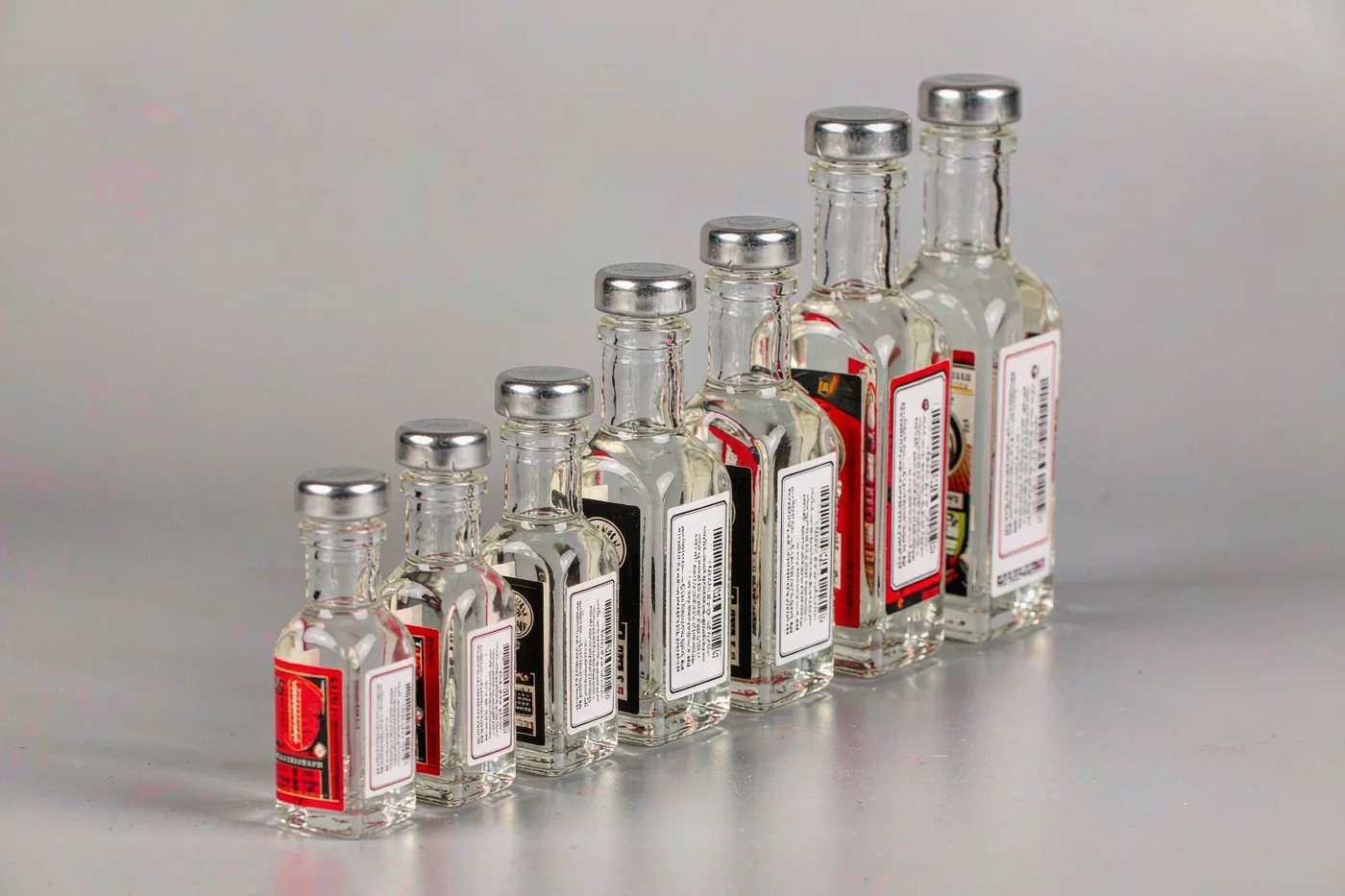
Miniature bottles are a distinct sourcing problem, not just a smaller version of a standard bottle. Unit economics, closure diameters and carton design all behave differently at 50ml.
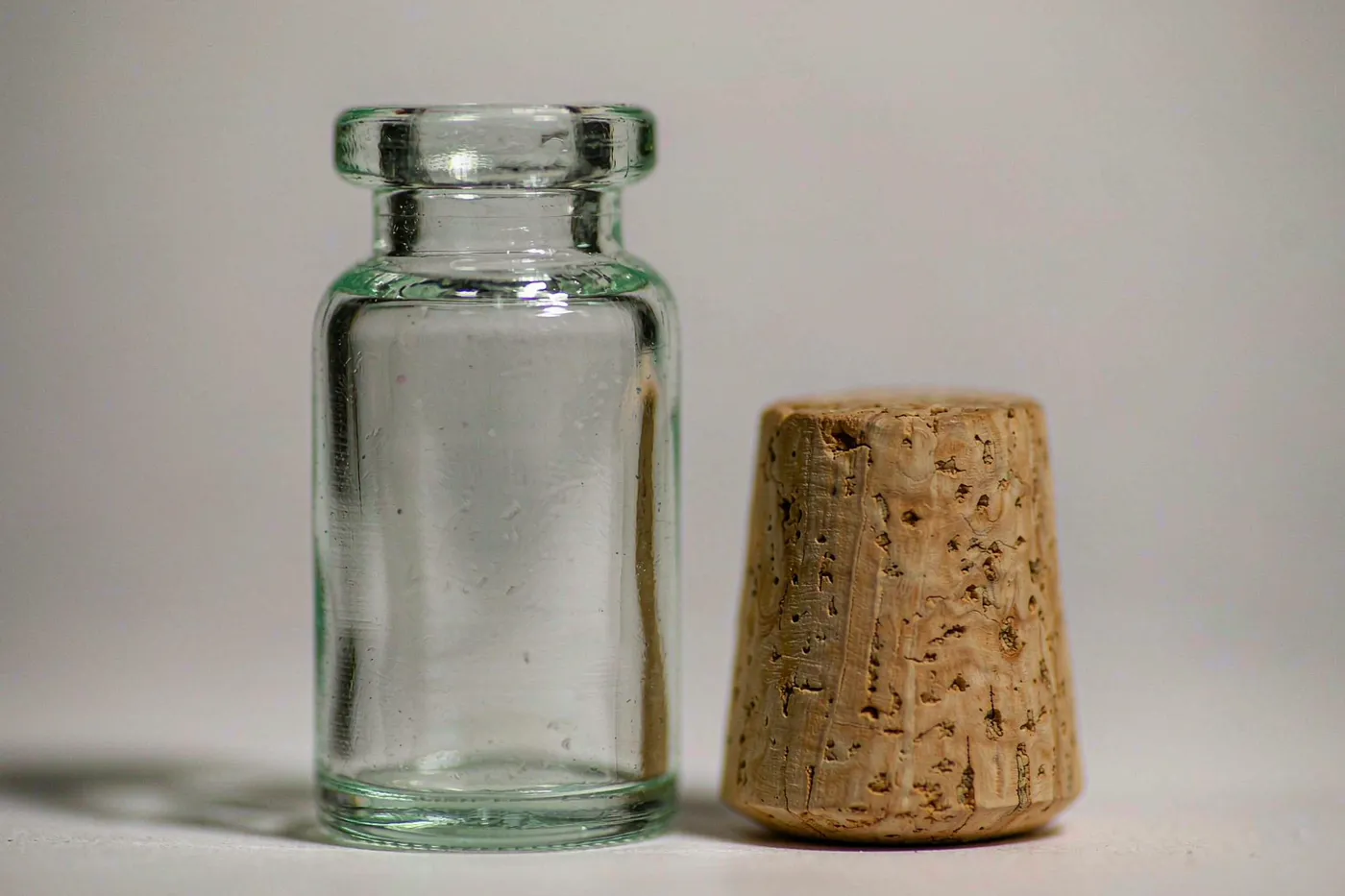
The formats
- 50ml — the classic miniature; airline, hotel minibars, sampling, gift packs.
- 100ml — sampling and travel formats; common where airline rules allow.
- 200ml — half-pint equivalent; entry price point and gift sets.
All three are authorised US standards of fill under 27 CFR 5.203(a)(1). In the EU, 100ml and 200ml appear in the nine nominal quantities permitted for spirit drinks under Directive 2007/45/EC.
Unit economics
Fixed costs dominate at small volumes:
- Filling and capping — roughly the same machine time regardless of fill size.
- Cartoning and labelling — per-unit labour, not per-millilitre.
- Secondary packaging — dividers and cartons cost nearly as much as for larger bottles.
The result is a higher cost per millilitre, which is accepted because the format's job is trial rather than margin.
Closures
- Small ROPP aluminium — the mainstream choice.
- Small screw caps — cheapest, with pourer options on some necks.
- T-corks — used for premium miniature expressions.
Confirm the finish code and T dimension tolerance with the closure supplier before you place the bottle order. Mismatched diameters are the most common cause of an unsellable shipment.
Packing for miniatures
Miniatures pack far more units per pallet, which changes the risk profile:
- Carton strength matters more, because unit count per carton is high.
- Scuffing is the main defect, especially on decorated bottles.
- Pallet stability needs attention, since small cartons shift more easily.
Compliance notes
- Miniatures are still food-contact articles, so the same declaration of compliance applies.
- Fill tolerance is tighter at the low end: plus or minus 4.5 percent at 100 ml and below under TTB's gauging manual.
- Headspace rules apply from 200 ml upward, so 50ml and 100ml formats fall outside the 8 percent headspace requirement.
Where miniatures actually sell
The format has four distinct channels, and they want different things:
- Airline and hotel minibars — dominated by 50 ml, with strict packing and case requirements.
- Sampling programmes — 50 ml, where the bottle is a marketing cost rather than a product.
- Gift packs — often 50 ml or 200 ml, where presentation matters more than unit cost.
- Duty free and travel retail — 100 ml and 200 ml, where the set matters more than the single unit.
Confirm the channel before specifying, because carton configuration and closure differ between them.
The unit economics
Miniatures invert normal assumptions. Filling, capping, cartoning and handling are largely per-unit costs, so they spread over very little liquid. The result is a higher cost per millilitre than the full-size bottle.
That is accepted because the format is not bought for value. But it does mean two things matter more than usual:
- Carton configuration — more units per carton directly reduces cost per unit.
- Breakage rate — light cartons packed loose take more damage, so dividers pay for themselves.
Closures for small formats
- ROPP is the default and runs well at high speed.
- Screw caps are common for gift and set formats.
- Bar-top appears only at the premium gifting end.
Because unit volume is high, closure cost per unit is a meaningful line. ROPP is usually the right answer.
Packing specification
- Specify dividers or layer pads; glass-on-glass contact is the main scuffing source.
- Confirm units per carton and carton dimensions early — your forwarder needs them for container planning.
- Test drop and vibration on filled cartons, not empty ones.
Designing a bottle that reads at 5cm
Miniatures fail most often as design, not as engineering. At 50 ml the bottle is roughly a third the height of a full size, and most of the visual cues do not survive the shrink.
- Simplify the silhouette. Detail that reads at 30 cm becomes noise at 10 cm. Keep one clear gesture.
- Keep the label area flat. Curves that look generous on a full bottle leave very little printable area in miniature.
- Scale the closure deliberately. A standard ROPP finish can look oversized; confirm proportions on a physical sample.
Approve miniatures on a physical sample held at arm's length. That is the distance at which the buying decision is made.
Filling and capping small formats
- Filling accuracy matters more per unit. The same absolute error is a far larger percentage of a 50 ml fill.
- Stability is the constraint. Small bases and tall proportions tip easily; discuss base diameter with the plant.
- Line speed is high. Unit volumes are large, so any capping inconsistency multiplies quickly.
Confirm your bottler's filler accuracy at the target volume before you commit to a fill tolerance.
Where miniature costs actually sit
Break the unit cost down and the priorities change:
- Glass is the smallest share of the unit cost at 50 ml.
- Filling, capping and cartoning are largely per-unit and dominate.
- Secondary packaging — dividers, cartons and any set box — is usually larger than expected.
That is why carton configuration is the highest-leverage decision in a miniature programme, ahead of glass weight.
Size limits and labelling at small formats
Miniatures sit at the bottom of the authorised size lists in most regulated markets, which brings two practical points:
- Fill tolerance is proportionally wider at small volumes in most regimes, which partly offsets the higher relative filling error.
- Labelling space is the constraint, not the bottle. Regulatory text still has to appear legibly, which usually forces a smaller panel layout or an outer carton.
Confirm the minimum legible type size for the destination market before finalising miniature artwork. It is the most common reason a miniature label has to be redone.
Key takeaways
- Below 200 ml, filling, capping and cartoning costs dominate because they are per unit, not per volume.
- Carton configuration is the highest-leverage decision, ahead of glass weight.
- Miniatures fail as design more often than as engineering - simplify the silhouette.
- Filling accuracy matters more in percentage terms at 50 ml.
- Dividers pay for themselves, since glass-on-glass contact is the main scuffing source.
- Label space, not the bottle, is usually the compliance constraint.
Frequently Asked Questions
What sizes count as miniature spirits bottles?
50ml is the classic miniature, with 100ml and 200ml covering sample, travel and entry-price formats. All three are authorised standards of fill in the US and, for 100ml and 200ml, nominal quantities in the EU.
Why are miniatures expensive per millilitre?
Filling, capping, cartoning and handling costs are mostly per unit rather than per volume, so the same fixed cost is spread over much less liquid. A 50 ml bottle can carry a similar line time and packaging cost to a 700 ml one, which is why the price per millilitre is far higher.
Do miniatures need the same compliance testing?
Yes. A 50 ml bottle is still a food-contact article and must satisfy the same migration and heavy metal requirements as a full-size bottle in the destination market. The smaller format does not create an exemption, and some buyers test miniatures separately because the surface-to-volume ratio is higher.
What closures are used on 50ml bottles?
Small screw caps or ROPP aluminium closures matched to a small-diameter finish, typically in the 18 mm to 22 mm range. The finish code has to be confirmed with the closure supplier before ordering, because miniature closures are less interchangeable than full-size ones and stock availability is narrower.
Are miniatures good for sampling programmes?
Yes. They are the standard sampling unit and work well in gift packs, airline service, hotel minibars and trade shows. The practical constraint is unit cost: per millilitre, a miniature is more expensive than a full bottle because filling, capping and packing cost is spread over far less product.
Related
- Whisky Bottle Shapes and Sizes: A Buyer's Guide
- Gin Bottle Styles: From Apothecary to Modern Minimalist
- Vodka Bottle Design Trends for Export Brands
Written by Eric Jiang, Glass Packaging Engineer, 12 years.