Closure Liners and Seal Integrity: Stopping Leaks and Evaporation
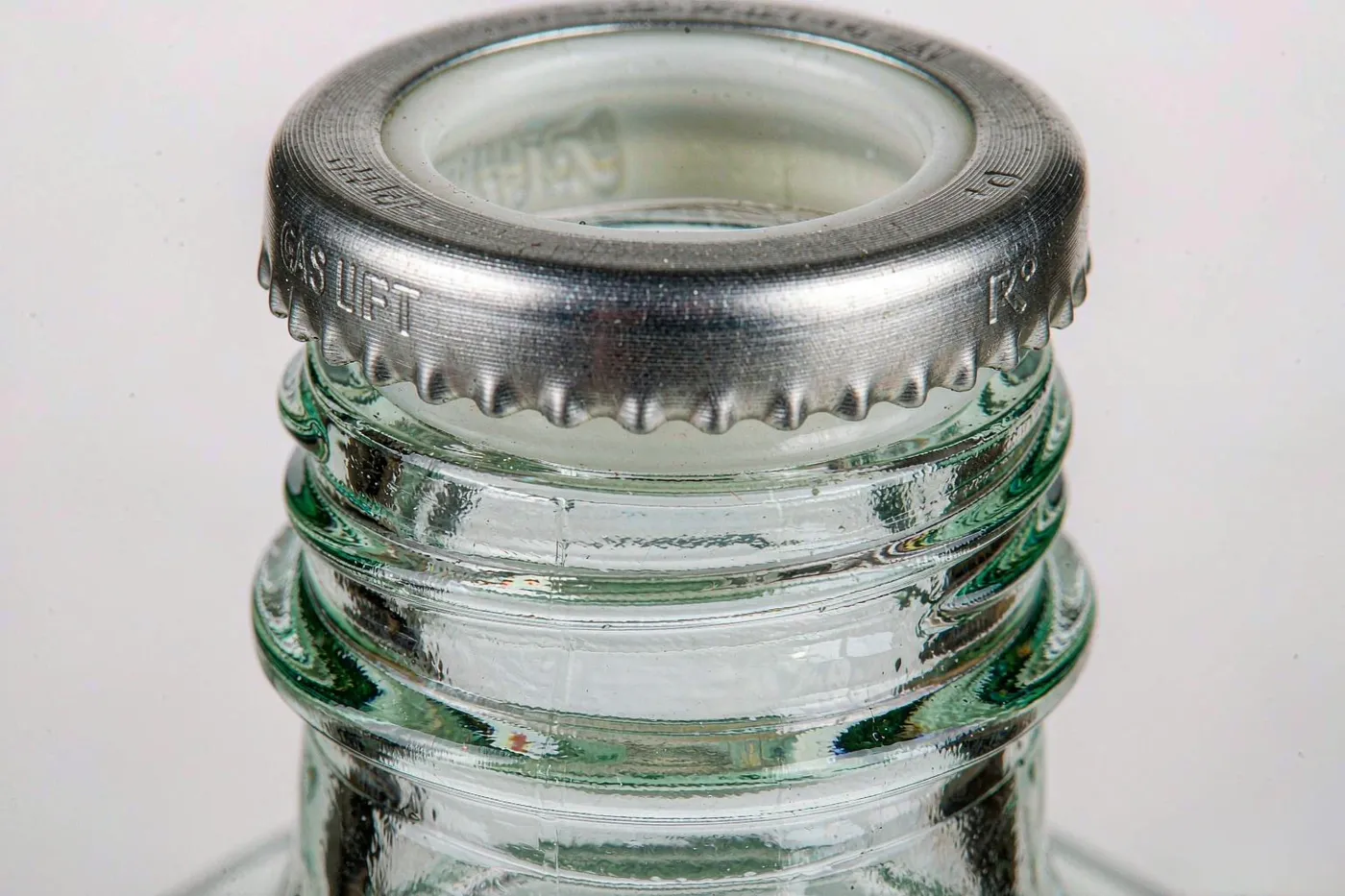
Sealing is a system of three parts: the finish geometry on the glass, the sealing mechanism of the closure, and the liner material that actually touches the product. Buyers who specify only the first two end up owning leakers.
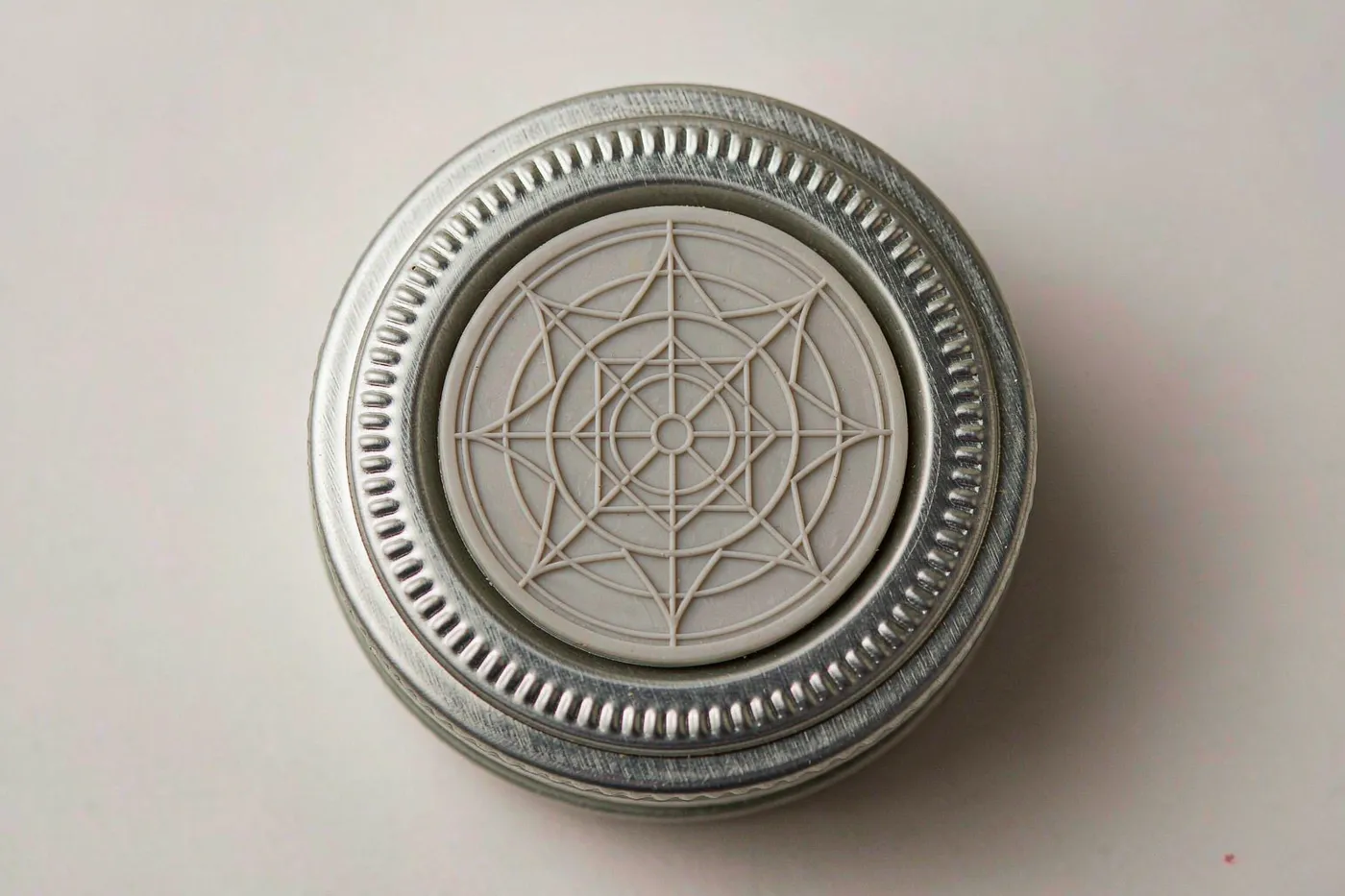
Why the liner is the seal
- The shell supplies compression force.
- The finish supplies the sealing surface.
- The liner supplies the barrier.
If the liner is wrong for the liquid, no amount of torque will fix the leak.
Liner material selection
- Saranex and PVDC-faced laminates — resist high-proof alcohol; the standard for spirits.
- Tin-laminated or foil-faced liners — strong barrier, used where oxygen sensitivity matters.
- PE foam — cheap and compressible, generally acceptable only for low ABV or short shelf life.
- Oxygen-scavenging liners — used for genuinely oxygen-sensitive products.
High alcohol content attacks some polymers. That is why high-proof spirits are not a place to economise on liner material.
Torque and compression
- Torque seals clamp a liner between cap and sealing surface. Removal torque is normally validated after 24 hours.
- Compression seals deform an elastic element against the bore or rim. Performance is governed by compression set.
- Retention matters — liners relax, so torque drifts downward. Ask for the curve at 1, 30 and 90 days, not just the initial reading.
Typical defects and their causes
- Weeping under a ROPP shell — T dimension out of tolerance, or insufficient top load at application.
- Leaking at the neck ring — tamper band interfering with seating.
- Stopper sinking — cheap synthetic shank relaxing under compression.
- Flavour taint — liner or shank material incompatible with the product.
Verification checklist
- Confirm the finish code and T dimension tolerance on the drawing.
- Confirm liner material against your ABV and any citrus oil content.
- Record removal torque at 24 hours, then at 30 and 90 days.
- Run a filled-bottle storage test at realistic temperatures.
- Inspect a transit-test shipment for weeping and scuffing.
Liner families and where each fits
- Tin and PVDC-faced liners — the general-purpose choice for spirits, with good barrier and chemical resistance.
- Foam and pulp-backed liners — used where compression recovery matters, such as on slightly uneven finish surfaces.
- Induction-seal liners — provide tamper evidence and a hermetic seal; require an induction sealing station.
- Saran and barrier films — chosen where oxygen or aroma transfer is a specific concern.
Selection is a function of the liquid, the closure type and the line equipment. Ask the closure supplier to confirm compatibility against the actual ABV and formulation, not just "spirits".
Matching liner to the product
Three product variables drive the choice:
- ABV — ethanol extracts more aggressively than water, so high-proof products narrow the compatible materials.
- Sugar and citrus content — acidic and oily formulations can attack some facings and adhesives.
- Expected shelf life and storage — long storage in warm conditions makes oxygen ingress more important.
Give the closure supplier the full formulation where possible. A generic recommendation is a guess.
Torque, compression and the seal
The seal is a mechanical result, not just a material property:
- Screw caps need a defined application torque and a defined removal torque, both measurable.
- ROPP relies on the roll-on process compressing the liner against the finish seat.
- Bar-top stoppers rely on bore tolerance and shank compression.
Over-torquing is as common a defect as under-torquing, and both show up as leakage or as caps that cannot be opened.
Defects and their usual causes
- Leakage — under-torque, wrong liner compression, or damaged finish seat.
- Cap back-off in transit — insufficient torque or liner creep.
- Stuck caps — over-torque or liner adhesion to the finish.
- Off-flavour pickup — liner material incompatible with the formulation.
- Corrosion under the liner — usually a facing failure on acidic products.
Liner selection by spirit type
- Neutral spirits at 40 percent ABV — the broadest compatibility; a standard faced liner is usually sufficient.
- High-proof above 50 percent ABV — ethanol extraction is more aggressive, which narrows the usable materials. Confirm compatibility explicitly.
- Liqueurs and cream spirits — sugar and fat content change the extraction behaviour and can attack some facings.
- Citrus and botanical formulations — oils can migrate into some liner materials and carry flavour back.
The general rule is that the more aggressive the formulation, the more you should rely on the closure supplier's written compatibility statement rather than a catalogue recommendation.
Storage, shelf life and liner creep
Liners are compressed polymers, and compression is not permanent:
- Torque relaxes over time. A cap applied at the correct torque can lose sealing force during long storage, particularly in warm conditions.
- Compression set accumulates. The liner takes a permanent deformation and recovers less.
- Heat accelerates both. Storage temperature matters more than storage duration.
For long shelf life or warm-climate distribution, specify a liner with good compression recovery and confirm the removal torque after an accelerated storage test.
Verifying the seal before shipment
Three checks catch most closure problems before they reach a customer:
- Removal torque against the specified range, on samples from the actual production run.
- Leak or vacuum test appropriate to the filling method.
- Liner inspection after accelerated storage, checking for compression set or facing damage.
Record results against the drawing revision. Without that link, a result cannot be tied to a specific specification.
Working with the closure supplier
The closure supplier holds the specification detail that decides whether the seal works:
- Provide the finish drawing, complete with T, E, I, S and H, rather than a nominal code.
- State the formulation and ABV, because liner compatibility follows from them.
- Ask for a written compatibility statement naming the liner material.
- Confirm application parameters — torque range or roll-on settings — and the method used to verify them.
Supplied with this, a good closure supplier will specify correctly. Without it, they will guess, and the guess usually fails at filling trials rather than in the laboratory.
Key takeaways
- The liner is the seal; the closure is only the compression mechanism.
- Select liners against ABV, sugar and citrus content, not against a generic catalogue.
- Torque relaxes and liners take a compression set over time, faster in warm storage.
- Most leaks trace back to the finish - out-of-round bore or a damaged sealing surface.
- Give the closure supplier the full formulation and request a written compatibility statement.
- Verify removal torque and leak performance on samples from the actual production run.
Frequently Asked Questions
What does a closure liner actually do?
The liner is the material compressed between the closure and the glass sealing surface. It is the part that forms the barrier; the shell or cap only supplies the compression force.
Which liner suits high-ABV spirits?
Alcohol-resistant laminated liners, such as Saranex or PVDC-faced materials, are used for high-proof products because ethanol extracts more aggressively than water. Plain PE foam is generally limited to lower ABV or short shelf life, and should not be assumed suitable above roughly 40 percent ABV without written confirmation.
Why does my bottle lose fill over time?
Usually liner compression set or insufficient retained torque. Liners relax after application, so removal torque drifts downward and the seal weakens, and the effect accelerates in warm storage. Ask for a retention curve rather than a single torque reading taken at the time of capping.
How do I verify seal integrity?
Ask for removal torque at 24 hours and a torque-retention curve at 1, 30 and 90 days, plus a filled-bottle storage test at realistic temperatures. Check that the samples come from the production run rather than a laboratory batch, because liner behaviour depends on the tooling and the application settings.
Are liners a food-contact material?
Yes. The liner is a separate food-contact material and needs its own declaration of compliance and migration testing, quite apart from the glass. In spirits the liner is often the layer most likely to produce a specific migration result, so it should never be treated as a closure accessory.
Do tamper-evident bands affect sealing?
Not directly, because the band does not form the seal. But band geometry has to clear the neck ring, and poor clearance can stop the closure seating fully or cause the band to break on application. Check band clearance against the finish drawing before approving the closure.
Related
- Glass Bottle Neck Finish and Closure Guide for Spirits Brands
- Cork vs Screw Cap for Spirits Bottles: Sealing, Shelf Life and Cost
- Migration Testing for Spirits Bottles: What Importers Should Ask For
Written by Eric Jiang, Glass Packaging Engineer, 12 years.