Asia-Pacific Spirits Bottle Market: Japan, Korea and Southeast Asia
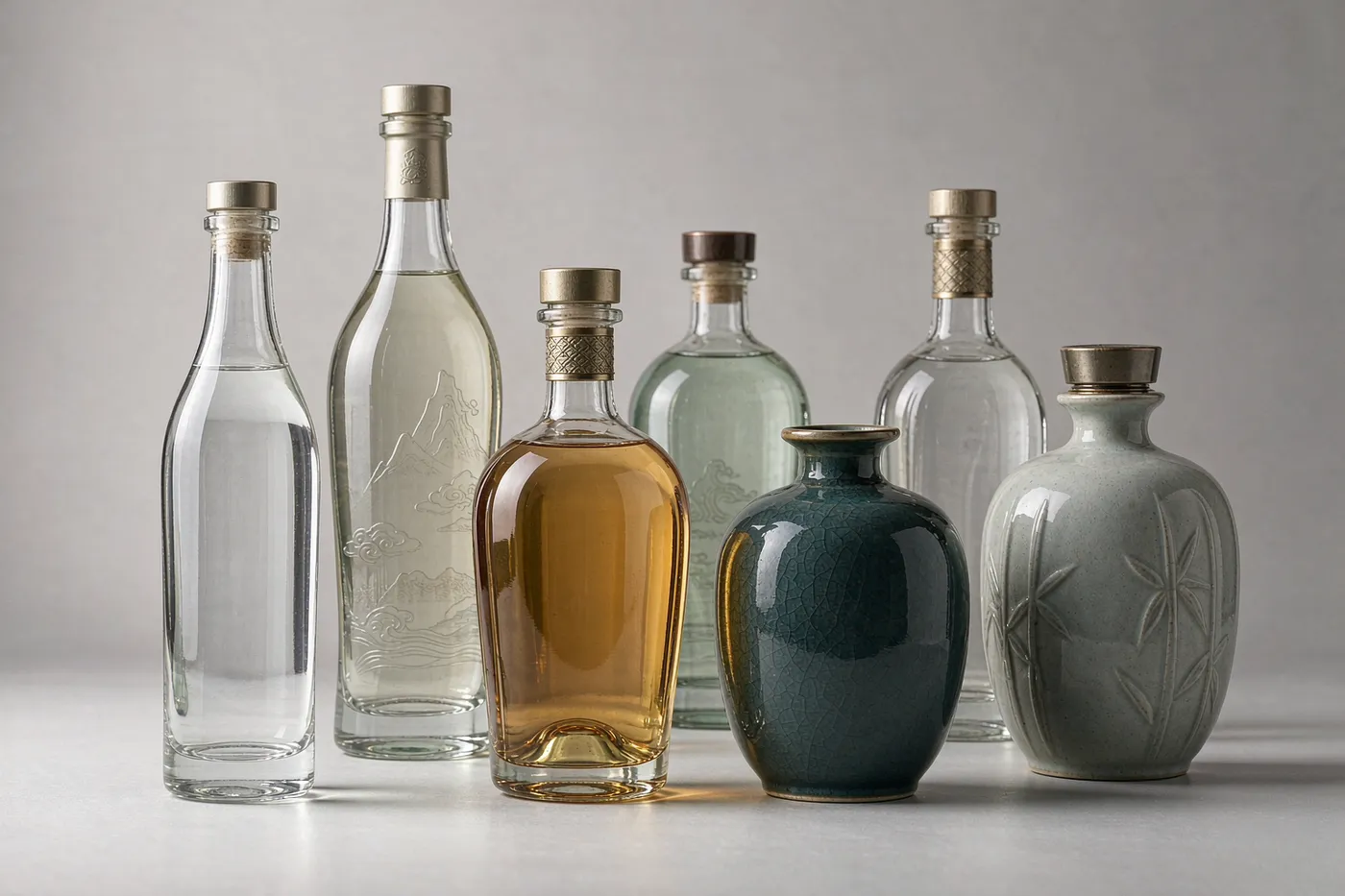
Asia-Pacific is not one market. Japan and Korea reward precision and finish, while Southeast Asia is price-led, high-volume and less regulated on pack sizes. Treating them as a single region is the usual first mistake.
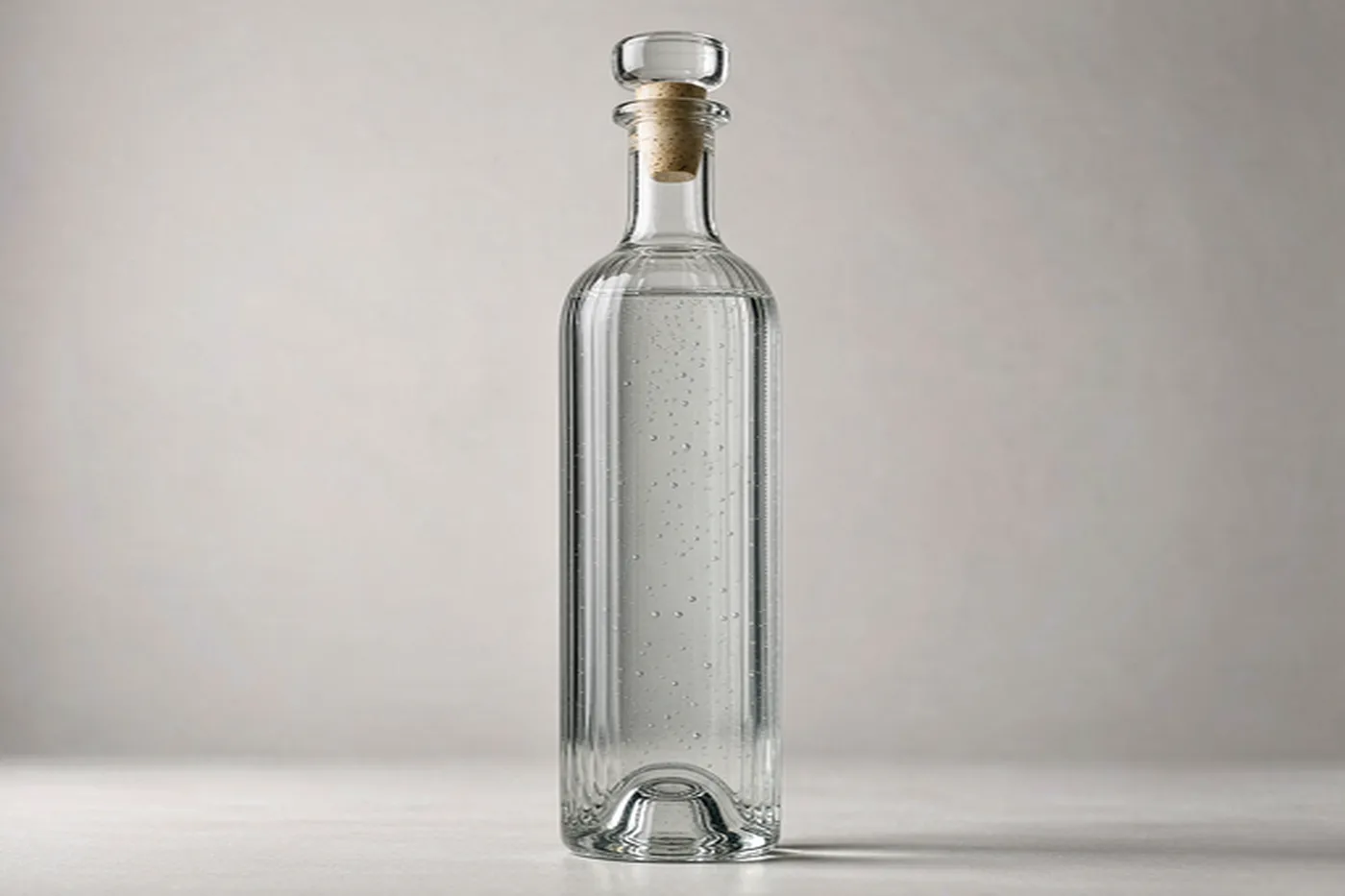
Japan
- Sizes: 700 ml is common for whisky and spirits; 720 ml is the sake and shochu standard. Small formats such as 180 ml and 300 ml are normal.
- Expectations: unusually high. Print registration, coating consistency and closure fit are all scrutinised.
- Practical note: allow extra time for sample approval, because detail revisions are common.
Korea
- Sizes: 700 ml is common for spirits; the 360 ml soju bottle is the dominant domestic format.
- Expectations: design-led, with strong sensitivity to shape and label aesthetics.
- Practical note: confirm closure compatibility early, because imported closures are often substituted.
Southeast Asia
- Sizes: 750 ml and 700 ml both circulate; local duty structures sometimes favour particular volumes.
- Expectations: price-sensitive, with durability and shelf presence valued over fine detail.
- Practical note: humid climates make coating adhesion and carton strength worth testing.
Design implications
- Japan and Korea: invest in print quality, coating consistency and closure fit. Small format matters.
- Southeast Asia: prioritise unit cost, pack strength and a strong, simple shelf signal.
- Both: lighter bottles reduce freight, which matters given long export routes.
Compliance notes
- Requirements vary by country, and several Southeast Asian markets do not apply an EU-style nominal-quantity list.
- Confirm the current national rules for labelling, alcohol declaration and importer details before artwork is finalised.
- Where bottles are decorated, request heavy metal release reports for the finished decorated article.
Practical sourcing notes
- Fix capacity per destination; a single global bottle rarely satisfies every market.
- Confirm closure supply locally if imported closures are slow to clear.
- Test transit performance on the actual route, including humidity exposure.
- Keep batch records for any claim.
Market entry mechanics
The three markets in this region differ more in route to market than in product preference:
- Japan — importer of record and distributor relationships are the critical path. Labelling and container regulations are administered domestically, and small-format SKUs perform well.
- Korea — fast trend cycles and strong design sensitivity. Presentation and closure finish carry disproportionate weight.
- Southeast Asia — highly heterogeneous. Duty structures and distribution differ substantially between markets, so treat each country as a separate entry decision.
In all three, the practical constraint is usually the importer's documentation requirements rather than the bottle itself.
Sizing and format by market
- Japan and Korea — smaller formats are well established, and 700 ml is the common full bottle.
- Southeast Asia — 700 ml and 750 ml both appear, with a substantial on-trade and gifting component.
For sampling programmes, 50 ml is the safe default across the region.
Specification notes for the region
- Humidity and transit — sea freight into high-humidity destinations makes carton board performance and pallet wrap more important than in temperate routes.
- Closure choice — screw cap and ROPP are widely accepted; bar top is more presentation-led.
- Labelling — allow more time than you would for EU or US. Market-specific requirements vary and are usually handled by the importer.
Confirm the importer of record early. Most delays in this region are documentation, not production.
Gifting and presentation norms
Across much of East and Southeast Asia, spirits are bought as gifts as often as for personal consumption, and that changes the packaging brief.
- Outer presentation carries disproportionate weight. Boxes, sleeves and secondary packaging matter more here than in most Western markets.
- Set formats sell. Multi-bottle and miniature sets are standard gifting units rather than novelties.
- Condition on arrival is part of the product. A scuffed carton or a damaged box is a failed gift, so transit protection is a quality requirement, not a cost line.
If you are specifying for gifting, budget for secondary packaging from the start. Retrofitting it after tooling is where programmes lose margin.
Working with importers of record
In this region the importer is usually the party that carries regulatory responsibility for the finished packed product. Practically, that means:
- They define the documentation set, which varies by country and often exceeds what the plant routinely supplies.
- They control label compliance, including market-specific text.
- They may require local testing, even where you hold certificates from the origin laboratory.
Confirm the documentation set before production rather than at shipment. It is the single most common cause of containers sitting at destination.
Regional specification summary
- Japan — 700 ml core, small formats well established, strong expectation of packing quality.
- Korea — design-led, fast cycles, closure finish and print quality carry weight.
- Southeast Asia — heterogeneous; treat each country separately and plan for humidity in transit.
Presenting to buyers in the region
- Lead with the bottle, not the specification. Design-led markets respond to the physical sample.
- Bring decorated production samples, not renders or prototypes, because surface quality is what is being judged.
- Be ready on documentation, since the importer will ask before the buyer does.
- Expect a longer qualification cycle than in the EU or US, particularly for a new supplier.
The sample is the pitch. Everything else supports it.
Pricing and margin expectations
- Gift-led channels carry higher packaging allowances than price-led retail, which changes what is affordable on the bottle.
- Importer and distributor margins are layered, so the ex-works price is a smaller share of shelf price than in shorter chains.
- Duty and excise dominate shelf price in much of the region, which makes glass weight a smaller relative cost and presentation a larger one.
Model the landed cost through the full chain before setting a specification budget. The binding constraint is usually the target shelf price, not the unit cost of the bottle.
Key takeaways
- Japan, Korea and Southeast Asia differ more in route to market than in product preference.
- Gifting is a major channel, which makes secondary packaging a quality requirement.
- 700 ml is the common full bottle across much of the region.
- Humidity in transit makes board performance and pallet wrap more important than on temperate routes.
- Lead with the physical decorated sample; it is the pitch.
- Confirm the importer of record and their documentation set before production.
Frequently Asked Questions
What bottle size is standard in Japan and Korea?
Both markets commonly run 700 ml for spirits, with 720 ml standard for sake and shochu because it follows the traditional four-go measure. Smaller 180 ml and 300 ml formats are widely used for single-serve and gifting, and they are a core part of the range rather than a novelty.
Are there legal size restrictions in Southeast Asia?
Most Southeast Asian markets do not apply the EU-style nominal-quantity list, so sizes such as 750 ml and 700 ml are both sold. Always confirm the current national labelling and metrology rules for the specific country.
Why are small formats so common in Asia?
Gifting culture, single-serve on-trade portions and lower trial prices all favour smaller bottles. A 180 ml bottle is an affordable gift and a single serving, where a 700 ml one is a commitment. That makes 180 ml to 300 ml a core part of the range rather than an afterthought.
How important is packaging design in Japan?
Very. Japanese buyers place unusual weight on detail, finish and presentation, so print registration, coating consistency and closure fit matter more than in most markets. A bottle that would pass without comment in Europe can be rejected here on a seam or a coating batch variation.
Do I need different labels for each market?
Yes. Language, alcohol-content declaration, importer details and recycling marks all vary by country, so budget for market-specific artwork and separate print runs. Where volumes are small, a market-specific back label over a common front label is often the cheapest compliant route.
Related
- Japan Spirits Bottle Market: 700 ml and 720 ml Sizing, Gifting and Finish Standards
- Australia Spirits Bottle Market: 700 ml Sizing, Warning Labels and Freight
- Export Packaging and Shipping for Glass Liquor Bottles
Written by Eric Jiang, Glass Packaging Engineer, 12 years.