Australia Spirits Bottle Market: 700 ml Sizing, Warning Labels and Freight
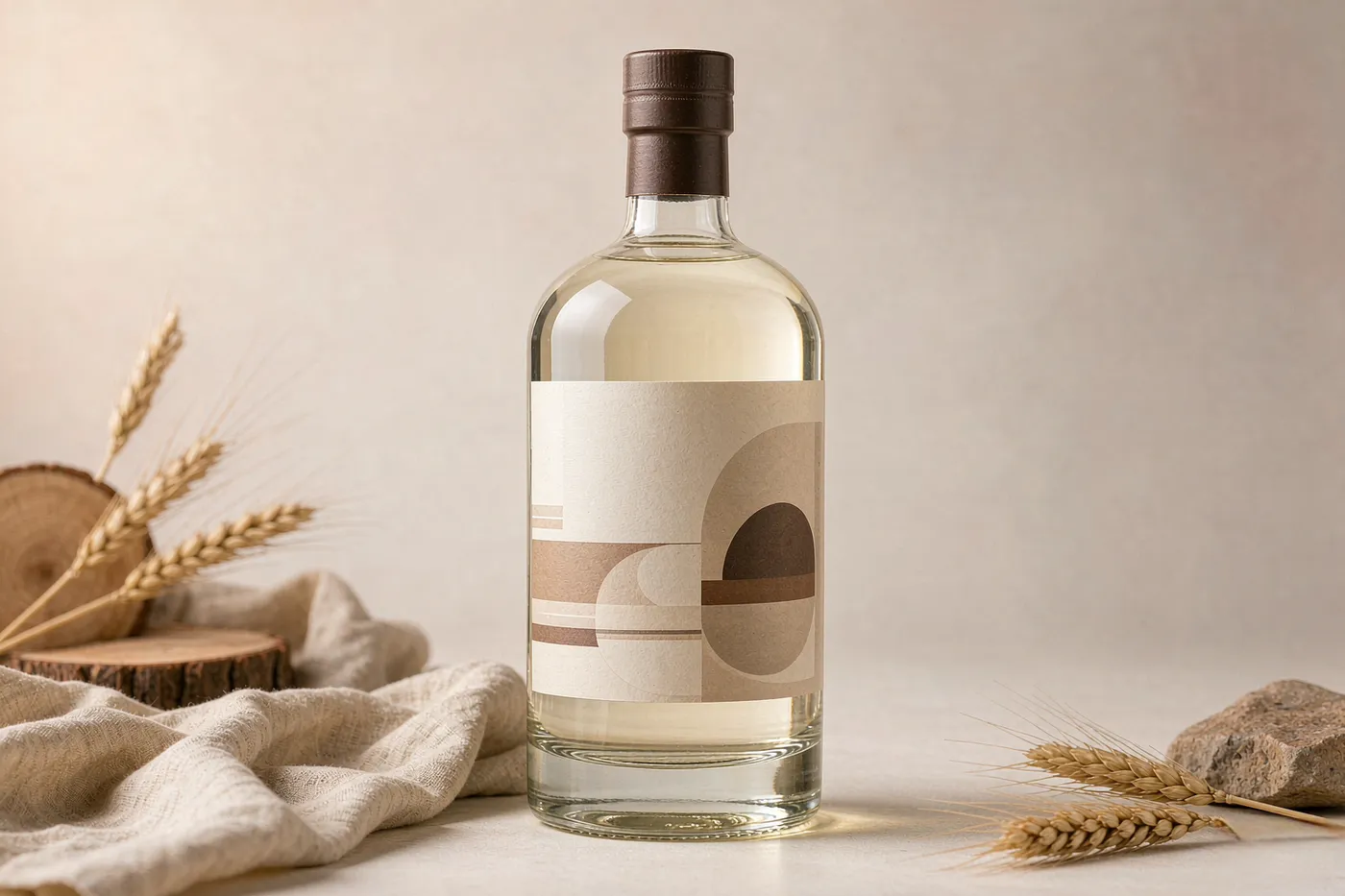
Australia is a small market by volume and a demanding one by specification. Three factors shape the packaging brief: a 700 ml standard that differs from wine, some of the heaviest alcohol regulation in the developed world, and freight distances that expose weak packaging decisions.
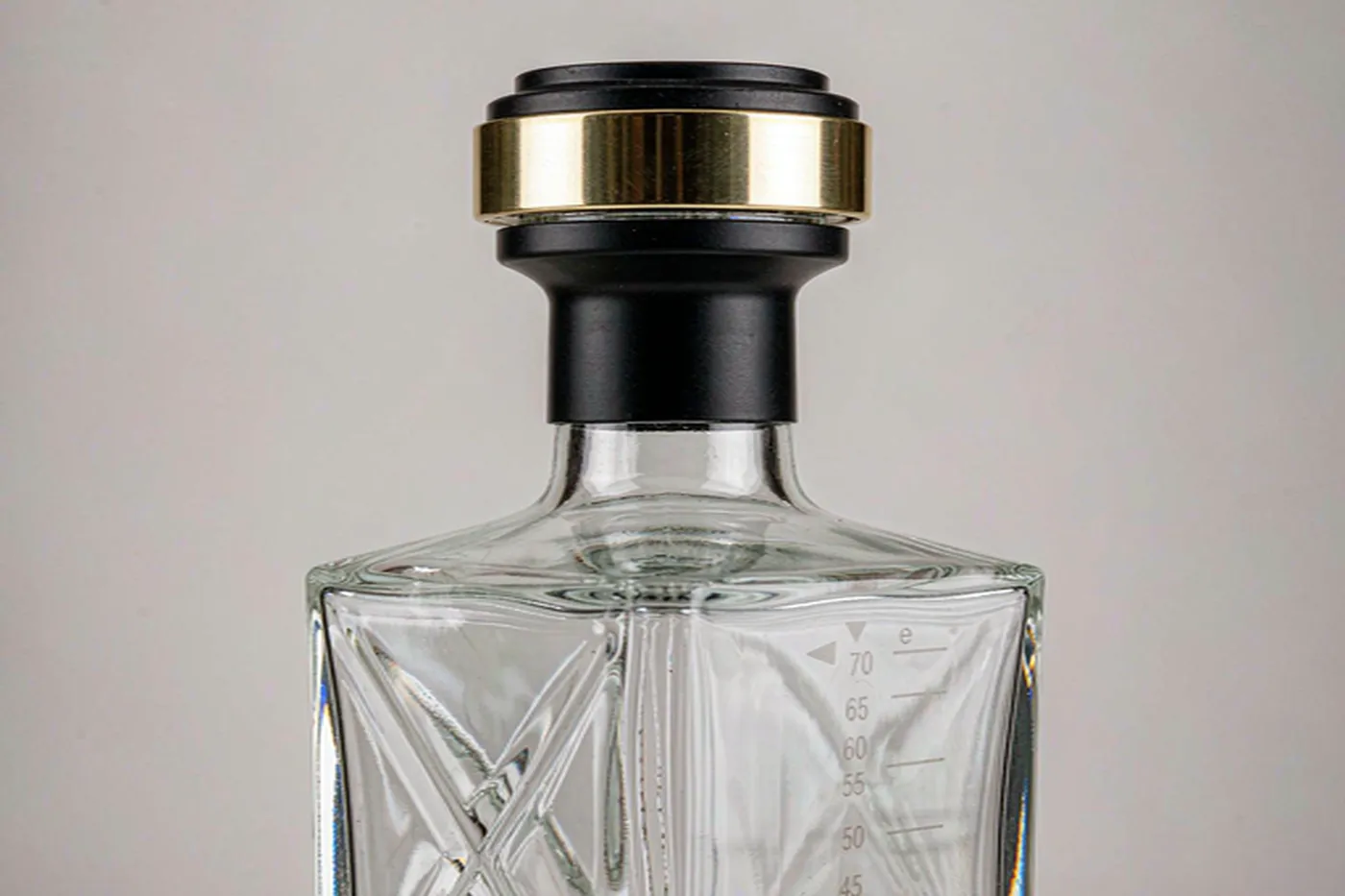
This guide covers sizing, the labelling requirements that actually change the bottle, the excise structure and what it implies for glass spend, and the packaging specification for Australian routes.
Sizing: 700 ml for spirits, 750 ml for wine
Australia standardised spirits at 700 ml while wine stayed at 750 ml. Brands running both categories need to know this early, because it is a common source of confusion in a first specification.
- 700 ml — the standard full bottle for spirits.
- 375 ml — a well-established half bottle, common in retail and gifting.
- 200 ml — a standard smaller format.
- 50 ml — miniatures and sampling.
- 1.0 L — present in some retail and duty-free channels.
As everywhere in glass, capacity is set by the mould cavity. Choosing 700 ml is a tooling decision, and the cost and lead-time consequences are set out in standard vs custom mould: cost, lead time and break-even. Volume-by-volume detail is in the liquor bottle sizes and capacity guide.
Labelling: the two requirements that change the brief
Australian food standards impose labelling obligations that are more prescriptive than the EU or US position, and two of them have a direct effect on the glass specification.
Pregnancy warning label. Packaged alcoholic beverages must carry a pregnancy warning with a pictogram and a signal word. The pictogram has defined artwork requirements, including minimum size, which means the label panel has to accommodate it. On a small or curved panel this is a real constraint, not a typesetting detail.
Standard drinks statement. The package must state the number of standard drinks it contains. This is calculated from the alcohol content and the fill volume, so any change to fill volume or ABV changes the statement. It belongs in the specification and the change-control process, not only in the artwork file.
Both requirements sit on the label, which brings the label panel into the bottle specification. Panel size, flatness and position are covered in how to read a glass liquor bottle spec sheet.
Australia's labelling rules are maintained in the Australia New Zealand Food Standards Code and administered with state and territory involvement. Confirm the current requirements with the importer before artwork is finalised, because the details change.
Excise, and what it implies for glass spend
Australian excise on spirits is assessed on the quantity of alcohol rather than the volume of liquid, and the rate is high by international standards and indexed periodically. Two consequences follow for a packaging brief.
The glass is a small share of the shelf price. When excise dominates the retail price, spending marginally more on the bottle moves the shelf price very little but moves perceived value a great deal. That is why the Australian market tolerates — and often rewards — heavier, more decorated bottles than a pure unit-cost analysis would justify.
Volume decisions have tax consequences. Because duty scales with alcohol content, the interaction between fill volume and ABV is a commercial decision, not merely a packaging one. A brand considering a smaller format should model the duty effect before committing to a mould.
Weight remains a freight and handling cost on long routes, so the objective is not maximum weight but the right weight for the channel. The strength, weight and carbon trade-offs are set out in lightweighting, recycled content and reuse in spirits glass.
Container deposit schemes
Australia operates container deposit schemes at state and territory level rather than nationally. Scope differs: each scheme defines which containers are eligible by material, volume range and beverage category, and the definitions are not identical.
The practical implication is that eligibility for a spirits bottle cannot be assumed from the material alone. Confirm per destination state, at the point of market entry, and treat it as an importer question rather than a specification question. It rarely changes the glass, but it can change the labelling and the cost line.
Light and UV
Australia combines high ambient UV with long, brightly lit retail environments. For products where colour stability matters, this is a genuine specification input rather than a marketing one.
- Amber glass offers the strongest protection and is the default for light-sensitive products.
- Green glass offers partial protection.
- Flint glass offers none, and is the right choice where product visibility matters more than light stability.
- UV-blocking coatings can be applied to flint, at the cost of an additional operation and unit cost.
Which products need protection, and where the coating route becomes cheaper than switching glass colour, is covered in glass bottle colour and UV protection.
Freight and packaging specification
Australian routes are long from most manufacturing origins, and the packaging specification has to survive the whole journey.
- Board grade for the worst leg. Condensation and high humidity in transit weaken board. Specify for the worst case in the journey.
- Temperature at destination. Australian summers are hot at the port and in the warehouse, which affects label adhesive, coating performance and closure torque.
- Pallet stability over long legs. Conservative pallet specification and wrap pays for itself on long routes.
- Transit testing on the actual route. Generic drop testing is less useful than testing the route you actually ship.
Full guidance on cartons, dividers, pallet patterns and transit testing is in cartons, pallets and freight for glass bottle export.
Key takeaways
- 700 ml is the Australian standard for spirits; wine stays at 750 ml.
- A pregnancy warning label with pictogram is mandatory, and it has a minimum size that constrains the label panel.
- A standard drinks statement is required and must be recalculated whenever fill volume or ABV changes.
- High excise on alcohol means glass is a small share of shelf price, which justifies more presentation than a unit-cost view would.
- Container deposit scheme eligibility is state by state; confirm per destination.
- Specify packaging for the worst leg of a long, hot route, not the average.
Frequently Asked Questions
What bottle size is standard for spirits in Australia?
700 ml is the standard full bottle for spirits. Smaller formats such as 375 ml, 200 ml and 50 ml are widely used, and 1.0 L appears in some retail and duty-free channels. Note that wine uses 750 ml, so the two categories differ.
Do I need a pregnancy warning label on spirits in Australia?
Yes. Australian food standards require a pregnancy warning label on packaged alcoholic beverages, including a pictogram and a signal word. Confirm the current requirements and artwork specifications with your importer before printing.
Is a standard drinks statement required?
Yes. Australian labelling rules require a statement of the number of standard drinks in the package. That figure is calculated from the alcohol content and the fill volume, so it belongs in the specification, not only in the artwork.
How does excise affect bottle specification in Australia?
Australian excise on spirits is levied on the alcohol content rather than the volume of liquid, and the rate is high by international standards and indexed regularly. That pushes the packaging brief towards premium presentation, because the glass is a small share of the shelf price.
Are container deposit schemes relevant to spirits bottles?
Possibly. Australia operates state and territory container deposit schemes with different scopes and eligible container definitions. Whether a spirits bottle is included depends on the scheme and the container, so confirm per destination state.
What packaging issues are specific to Australian routes?
Long sea legs from most manufacturing origins, high ambient temperatures at Australian ports, and intense retail lighting. Together they argue for conservative board grades, tested coating adhesion and, where the liquid is light-sensitive, UV protection.
Related
- Asia-Pacific Spirits Bottle Market: Japan, Korea and Southeast Asia
- Lightweighting Spirits Bottles Without Breaking Them
- Export Packaging and Shipping for Glass Liquor Bottles
Written by Eric Jiang, Glass Packaging Engineer, 12 years.