Middle East Spirits Bottle Market: Duty Free, Heat and Premium Presentation
The Middle East is the least uniform market on this site. A programme that works in Dubai duty free may be impossible in a neighbouring country, and several markets in the region restrict or prohibit alcohol outright. That heterogeneity is the first thing to plan for, before any specification work begins.
Where the market does open, it is unusually rewarding. Gulf travel-retail hubs rank among the world's largest duty-free operations, and the region's gifting culture supports premium presentation in a way few markets still do. This guide covers the sizing norms, the heat-driven packaging requirements, the presentation expectations, and the compliance position.
Start with the destination rule, not the bottle
Before specification, establish the legal position for each destination individually. Requirements differ substantially between countries, and several markets restrict or prohibit alcohol. Some permit sales only under licence; some only to non-residents or through controlled retail; some not at all.
Because of that, treat each country as a separate entry decision. Do not assume that a listing in one Gulf market creates a route into another. Confirm the current position with the importer and, where necessary, with the relevant authority.
Sizing: three formats coexist
The region has no single harmonised nominal-quantity regime, so the sizes in circulation reflect both the origin of the brand and the channel it sells through.
- 700 ml — common for European-origin brands and in markets that follow the EU pattern.
- 750 ml — common for American-origin brands and widely present in duty free.
- 1.0 L — strongly represented in travel retail and duty free, where the larger format is a category norm.
- 375 ml and 200 ml — smaller retail and gifting formats.
- 50 ml — miniatures, and a major component of airline and travel-retail sets.
The practical consequence is that a range designed for one origin market may need a second capacity for the region. Since capacity is fixed by the mould cavity, that is a tooling decision; the economics are set out in standard vs custom mould: cost, lead time and break-even. Sizes and their uses are covered in the liquor bottle sizes and capacity guide.
Heat is a specification input
This is the part of the brief most often missed by exporters working from a European or North American template.
Ambient temperatures in Gulf markets are extreme, both in transit and in storage. Containers can sit at high temperature for extended periods, and warehousing is not always climate-controlled.
The failure modes are specific:
- Closure torque retention. Liners and closure materials behave differently at temperature. A closure torqued correctly at ambient can lose retention, or seize, after a hot transit.
- Label adhesive. Adhesives softened by heat creep, particularly on curved panels. Confirm the adhesive specification for the destination climate.
- Coatings and inks. Hot storage accelerates any weakness in coating adhesion or print durability.
- Carton and pallet performance. Board weakens and stretch wrap relaxes at temperature.
The right response is to test to the destination climate, not to a temperate default. Where practical, include a hot-condition hold in the qualification before the first commercial shipment.
Presentation and decoration
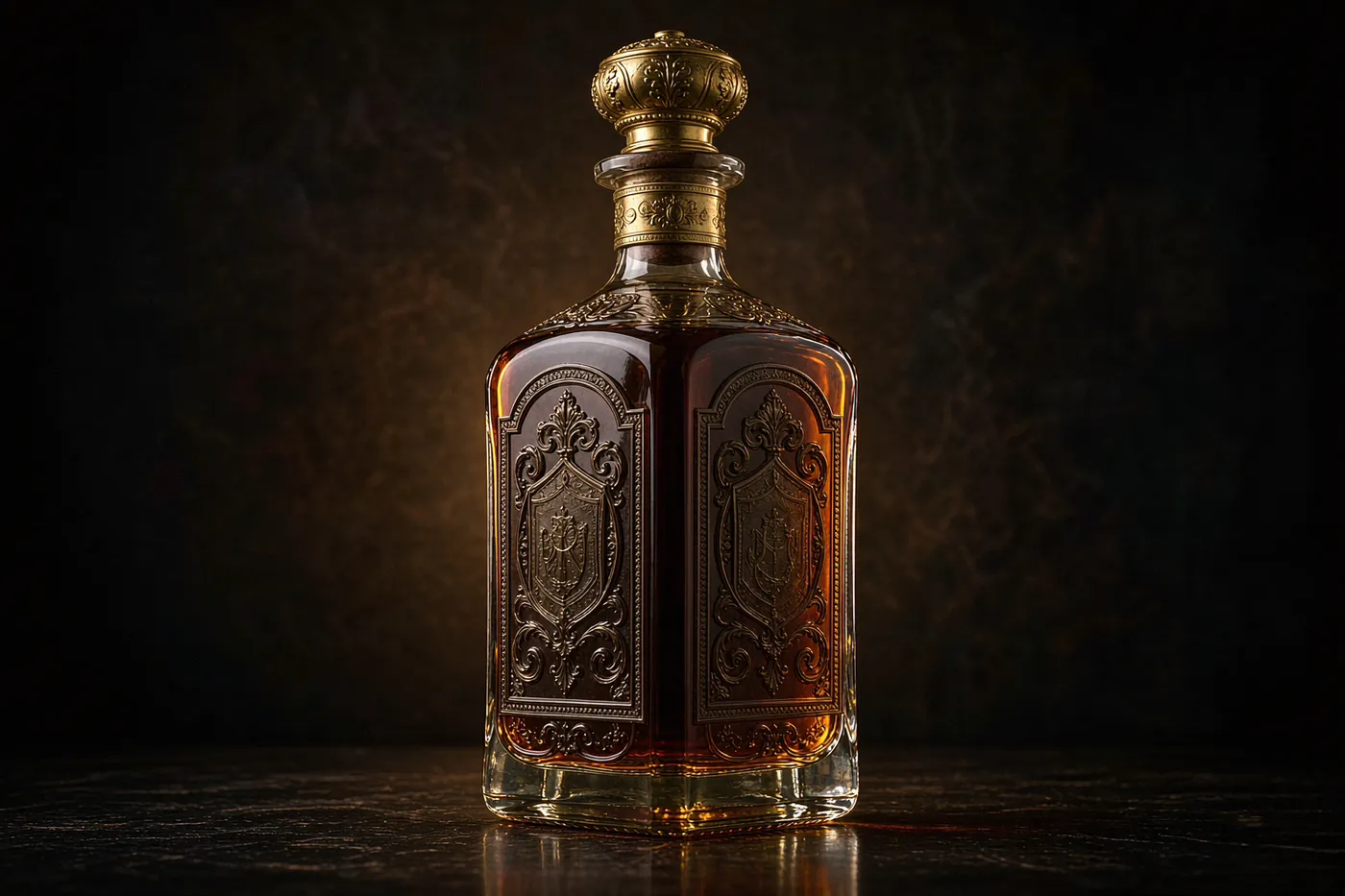
In gifting and duty free, the package is the product. The region supports treatment levels that would look excessive in minimalist Northern European retail.
- Heavy glass reads as quality and is tolerated by the shelf price in premium channels.
- Deep embossing gives the bottle tactility and a distinctive shelf silhouette.
- Foil and metallics perform well, particularly for gifting.
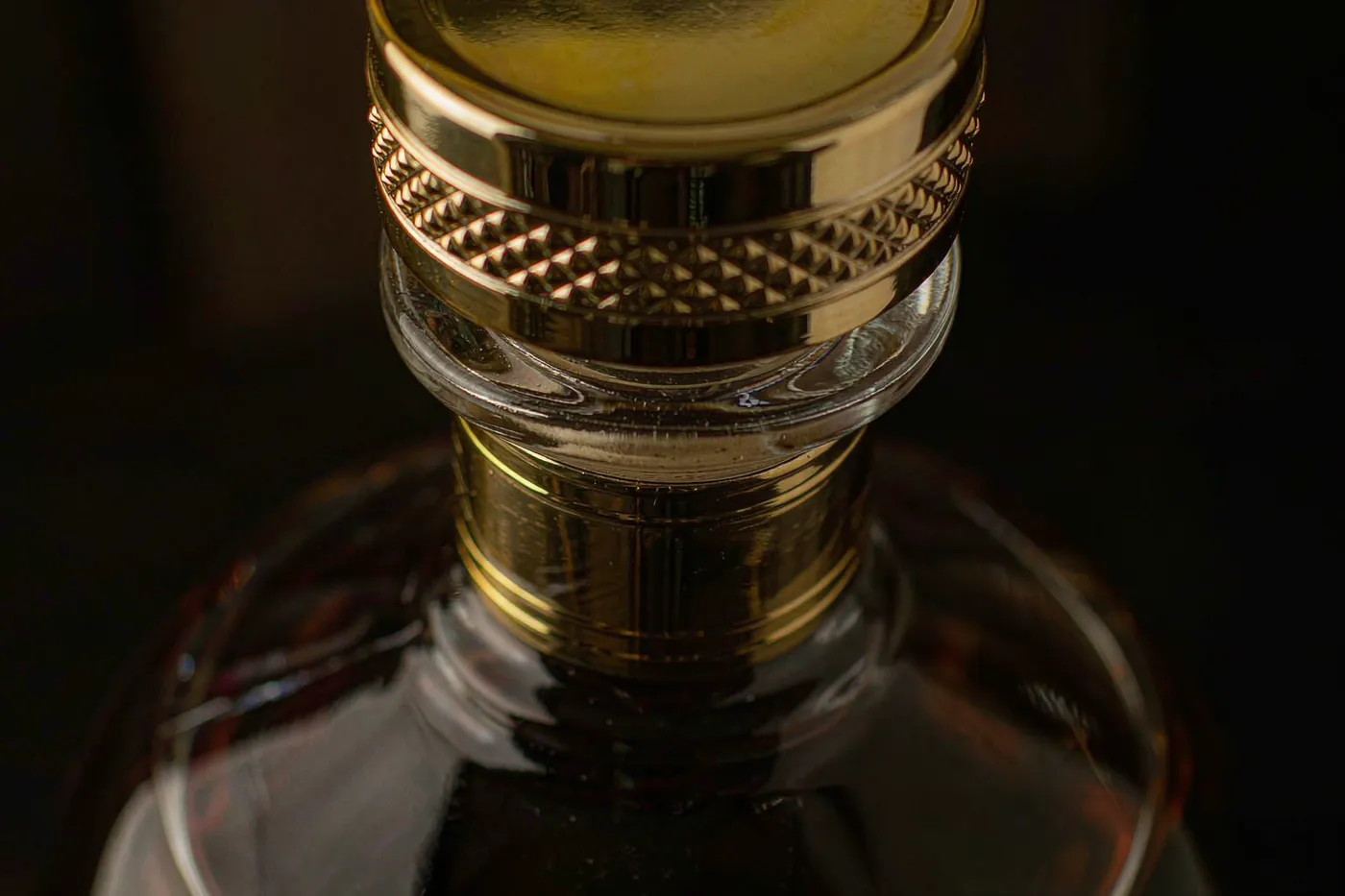
- Multi-component closures, such as a bar top with a decorative head, carry disproportionate weight.
The choice between embossing and printing depends on run length, tooling budget and how stable the artwork is; the trade-offs are set out in embossing vs printing: which treatment for which run. The full decoration toolkit, including frosting, coatings and screen print, is covered in custom glass bottle decoration.
Labelling and documentation
- Arabic labelling is generally required for mandatory information, commonly bilingual with English. Confirm the requirement and any layout rules with the importer.
- Importer details must appear on the pack, so artwork cannot be finalised before the importer is confirmed.
- Documentation sets vary by country, and several markets require attestation or legalisation of import documents. Confirm the set early.
- Alcohol content and volume declarations follow national rules.
The recurring failure is the same as elsewhere in this region: documentation discovered at shipment rather than at drawing stage. For decorated bottles, request heavy metal release data for the finished decorated article; migration testing and heavy metal release explains what to ask for.
Seasonality and the non-alcoholic segment
Two commercial features are worth planning around.
Seasonality. Ramadan and the surrounding period materially change the pattern of demand, and gifting peaks cluster around it and around the year-end travel season. Plan production and shipping around these rather than through them.
Non-alcoholic spirits. The 0.0% category has grown substantially in the region and uses the same glass as the alcoholic equivalent in most cases. If a range is planned across both, standardising the bottle is usually the cheaper route — but confirm the labelling rules, which differ.
Documentation and attestation
Paperwork in this region is a specification input, not an afterthought. Several markets require commercial documents to be attested or legalised, and the required set differs between countries. In practice that means the importer needs the commercial invoice, packing list, certificate of origin and, where applicable, a health or analysis certificate in a specific form, often before the container is booked rather than before it arrives. Ask the importer for the full list at quotation stage, and allow calendar time for attestation, because it is a sequential process that cannot be compressed by paying for faster freight.
Key takeaways
- Confirm the legal position for each country separately; several markets in the region restrict or prohibit alcohol.
- 700 ml, 750 ml and 1.0 L all circulate; choose by origin market and channel.
- Extreme heat affects closure torque, label adhesive and coating performance; test to the destination climate.
- Duty free and travel retail are high-margin channels where larger formats and strong presentation are the norm.
- Arabic labelling is generally required, usually bilingual with English.
- Plan around Ramadan seasonality and the growing non-alcoholic segment.
Frequently Asked Questions
Why is duty free so important in the Middle East?
Travel retail is one of the region's largest and highest-margin spirits channels, and several Gulf hubs rank among the world's biggest duty-free operations. That shapes the brief, because travel-retail buyers favour larger formats and strong presentation.
What bottle sizes sell in the Middle East?
700 ml and 750 ml both circulate depending on the market and the channel, and 1.0 L is strongly represented in duty free and travel retail. Confirm per destination, because the region has no single harmonised nominal quantity regime.
Does extreme heat affect the bottle specification?
Yes. Ambient temperatures in transit and storage can be far higher than European or North American conditions, which affects closure torque retention, coating and adhesive performance, and label adhesion. Test to the destination climate, not to a temperate default.
Is alcohol legal everywhere in the Middle East?
No. Several markets in the region restrict or prohibit alcohol, and rules vary significantly between countries and can change. Confirm the current position for each destination before committing to any programme.
How important is premium presentation?
Very, particularly in gifting and duty free. Heavy glass, deep embossing, foil and multi-component closures all read strongly in this region, and premium presentation is often the differentiator rather than a cost line.
Do I need Arabic labelling?
In most Gulf markets, yes. Arabic is generally required for mandatory label information, often alongside English. Confirm the requirement and any bilingual layout rules with your importer before artwork is finalised.
Related
- EU and UK Spirits Packaging Trends: Sizes and Sustainability
- Embossing vs Printing on Glass Bottles: Cost and Durability Compared
- Custom Glass Bottle Decoration: Embossing, Etching, Coating and Printing
Written by Eric Jiang, Glass Packaging Engineer, 12 years.