Canada Spirits Bottle Market: Provincial Boards, 750 ml Sizing and Bilingual Labels
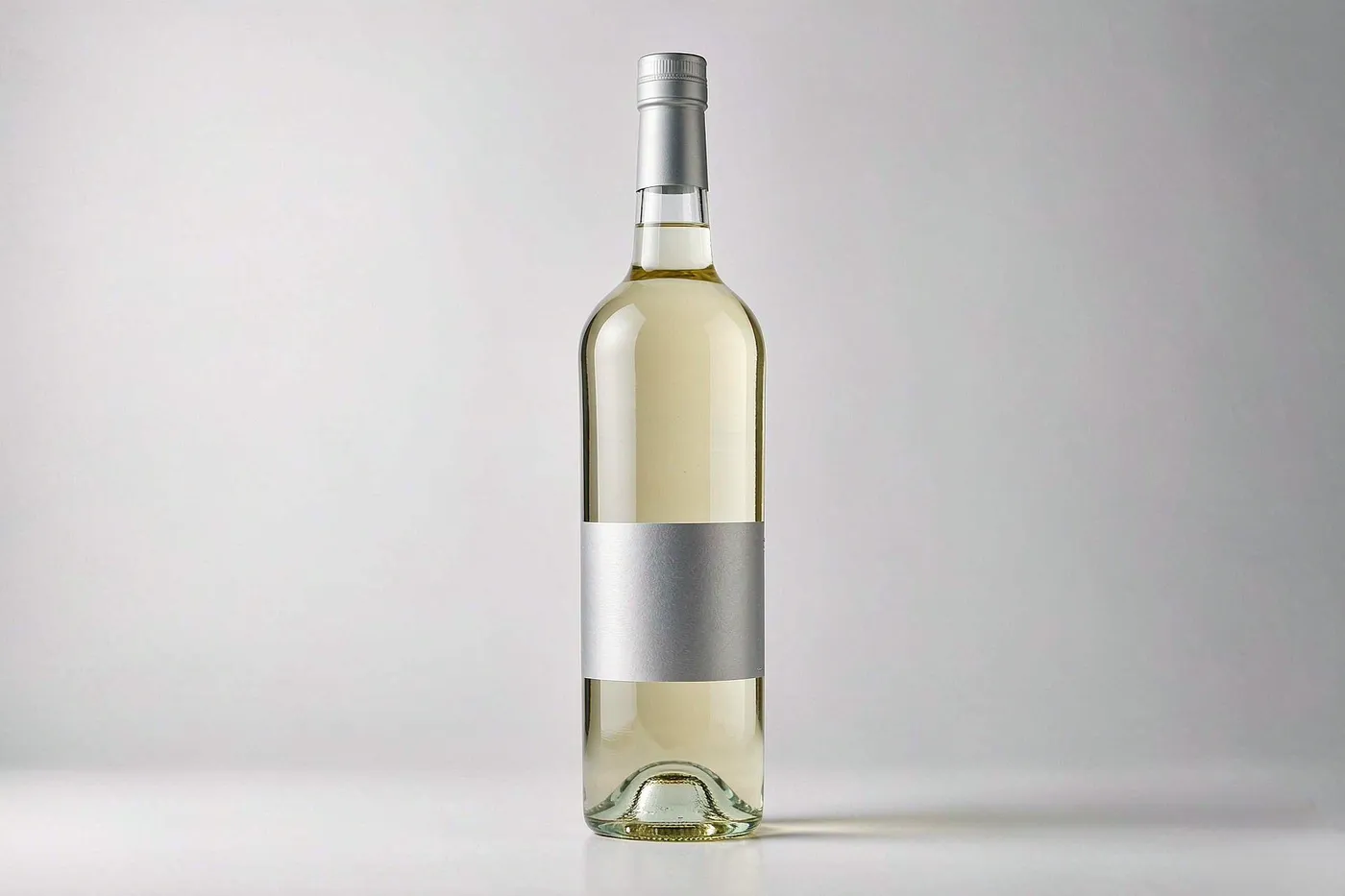
Canada is not one market entry; it is up to thirteen. Most provinces operate monopoly or control models for spirits, which means the commercial gate is a listing decision made by a provincial board rather than a purchase order from a distributor. That single structural fact determines the specification sequence, the documentation set and the launch calendar.
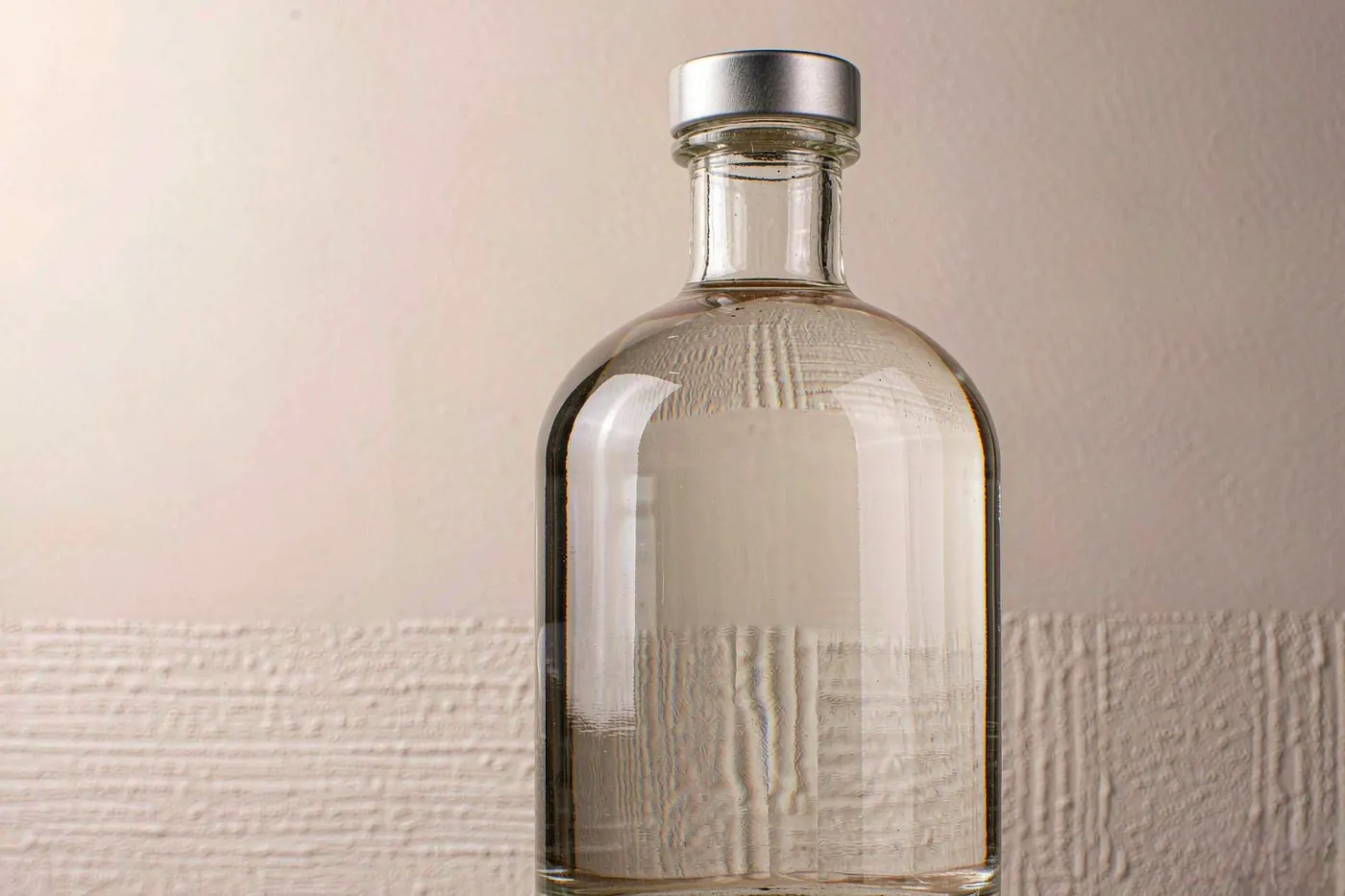
This guide covers how the provincial structure affects what you specify on the glass, the sizing and bilingual labelling requirements, and the packaging implications of cold-climate distribution.
Understanding the board structure
The practical consequences of the control model are:
- Listing is the gate. Product must be registered, tested and approved before it can be sold through the board's channels.
- Each board is a separate process. Requirements, calendars, fees and listing models differ. Ontario, British Columbia, Quebec, Alberta, Nova Scotia and others each run their own.
- Representation is usually expected. Boards generally work with an agent, broker or importer of record rather than with an overseas supplier directly.
- Volumes are committed, not open. Listing decisions tie to volume commitments and delisting provisions.
For the bottle specification, the important point is that none of this changes the glass. What it changes is the sequencing: because the listing cycle is long and the label approval is a hard gate, the specification and artwork must be finalised earlier than they would be for a private-market launch.
Working with agents and boards is part of the wider supplier question; the commercial mechanics are covered in how to choose a glass bottle supplier.
Sizing
Canada follows the North American pattern rather than the European one.
- 750 ml — the standard full bottle.
- 375 ml — the standard half bottle, widely listed.
- 1.14 L — a long-established Canadian format, still recognised in the market.
- 1.0 L — increasingly present, partly through harmonisation with other markets.
- 1.75 L — used in some retail channels.
- 50 ml — miniatures.
Confirm which sizes the board will actually list before tooling, because a format that is standard in one province can be a slow mover in another. The full volume landscape is in the liquor bottle sizes and capacity guide.
Bilingual labelling
This is the requirement that most changes the bottle.
- English and French are both required for mandatory label information under Canadian federal food labelling rules.
- Quebec applies additional French-language provisions that go beyond the federal position, so a label designed only for federal compliance can still fail in Quebec.
- Standard drink and nutrition information follows Canadian requirements, which differ from both EU and US rules.
The bottle-level consequence is label panel area. Two languages need materially more space than one, and the failure mode is a bottle with a beautiful front label and no room for compliant back-label text. Plan the panel at drawing stage rather than discovering the constraint at approval. Panel sizing is covered in how to read a glass liquor bottle spec sheet.
Also confirm whether the alcohol content declaration, importer details and any allergen or sulphite declarations are handled to Canadian specification — these are checked at label approval, and a correction after printing is the expensive version of the same decision.
Packaging for cold climate distribution
Canadian distribution introduces conditions that do not arise on temperate routes.
- Thermal shock at filling. Cold bottles meeting warm liquid, or the reverse, is a real breakage mechanism. Confirm the filling specification for the plant's temperature range.
- Low-temperature handling. Adhesives, coatings and some closure liners behave differently below freezing. Verify performance at the low end of the distribution range.
- Long inland legs. Containers typically arrive at a coastal port and travel inland, often over large distances, which makes pallet stability and board grade as important as the sea leg.
- Freeze-thaw risk in unheated warehousing. Confirm whether product may be stored unheated, and specify accordingly.
Full guidance is in cartons, pallets and freight for glass bottle export.
Working with Canadian boards
- Start the listing process early relative to production. It is usually the longest lead item in the programme.
- Confirm the documentation set in writing. Boards ask for defined certificates, analyses and label approvals, and requirements change.
- Model the full landed cost. Board margins and provincial fee structures mean the ex-works price is a smaller share of shelf price than in a shorter chain.
- Treat each province as its own decision. Volume commitments and listing terms differ.
Common mistakes
- Treating Canada as a single national listing.
- Designing a label for one language and discovering the space problem at approval.
- Setting a launch date before confirming the board's listing calendar.
- Specifying packaging for the sea leg only, then losing bottles on the inland leg.
- Underestimating how much of the shelf price is excise, fees and margin rather than product.
Pricing and margin structure
Provincial boards set retail prices through their own markup and fee models rather than leaving it to the supplier, and the resulting shelf price is usually a multiple of the ex-works cost. That has two consequences for a glass programme. First, a marginal difference in bottle cost moves the shelf price very little, so presentation can be afforded more easily than in a private market. Second, a specification that assumes a direct retail margin will mis-price the product, because excise, board markup and provincial fees sit between the two numbers. Model the landed cost through the full chain before locking a bottle specification or a decoration level.
Key takeaways
- Canada is a set of provincial market entries, not one; each board has its own listing process.
- 750 ml is standard, with 375 ml and the legacy 1.14 L format both established.
- Bilingual English and French labelling is mandatory, and needs label panel area planned for it from the drawing stage.
- Confirm the board's listing calendar before committing to a launch date.
- Specify packaging for cold-climate handling and long inland freight, not just the sea leg.
- Model landed cost through the full chain, because excise and margins dominate shelf price.
Frequently Asked Questions
Why is Canada sold through provincial liquor boards?
Most provinces operate a monopoly or control model for spirits wholesale and, in several cases, retail. That means listing, not just selling, is the route to market. Each board runs its own listing process, so Canada is best treated as several separate market entries rather than one.
What bottle size is standard for spirits in Canada?
750 ml is the standard full bottle. 375 ml is the common half bottle, and 1.14 L remains a recognizable Canadian format alongside the more recent 1.0 L and 1.75 L sizes. Confirm the size the board will list before tooling.
Do spirits labels in Canada have to be bilingual?
Yes. Mandatory labelling information must appear in English and French under federal requirements, and Quebec applies additional French-language provisions. Plan the label panel for two languages from the start, because retrofitting a second language is expensive.
How long does a provincial listing take?
Longer than most exporters expect. The process typically includes product registration, laboratory analysis, label approval and a commercial listing decision, and boards publish their own calendars. Confirm the current cycle with the board or your agent before setting a launch date.
What packaging challenges are specific to Canada?
Cold-weather handling, thermal shock during filling and distribution, and long inland freight from coastal ports. Together they argue for conservative board grades, cold-fill verification and testing that includes low-temperature handling.
Does recycled content matter in Canada?
Increasingly. Extended producer responsibility frameworks for packaging are being implemented at provincial level, with requirements and timelines that differ by province. Confirm the current position for your destination provinces, because a programme that satisfies one province may not satisfy another.
Related
- United States Spirits Bottle Market Guide for Exporters
- How to Read a Glass Liquor Bottle Spec Sheet (With a Worked Example)
- Cork vs Screw Cap for Spirits Bottles: Sealing, Shelf Life and Cost
Written by Eric Jiang, Glass Packaging Engineer, 12 years.