Germany Spirits Bottle Market: 700 ml Sizing, Packaging Act and Labelling
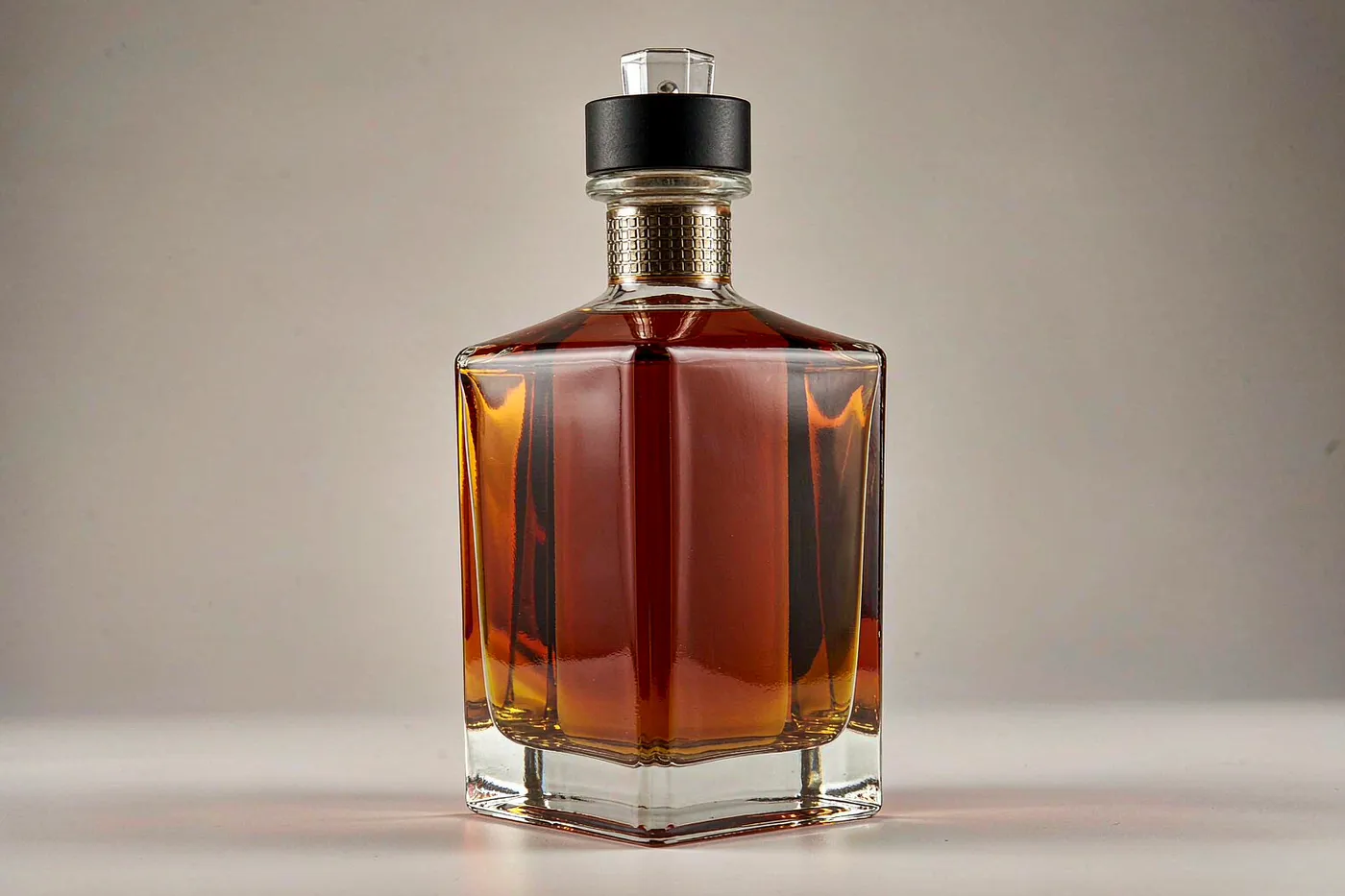
Germany is the largest spirits market in the European Union by volume, and one of the most documentation-heavy. Three decisions catch out first-time exporters before a single bottle is filled: the 700 ml nominal quantity, registration under the Packaging Act, and German-language labelling. The first two change the bottle specification itself, so they belong in the drawing, not in the contract.
This guide is written for a buyer specifying glass. It covers what to fix on the bottle, what to leave to the importer, and where the usual delays come from.
Why Germany matters for bottle specification
Germany combines two channels that pull the packaging brief in opposite directions.
- Price-led retail. German discounters and supermarkets run among the lowest spirits shelf prices in Western Europe. Packaging cost per unit is negotiated hard, and own-label volumes are large.
- Quality-led specialist and craft retail. Germany has one of Europe's most active craft gin and whisky scenes, where a distinctive bottle is the product.
The practical consequence is that a specification optimised for one channel will lose the other. A heavy, deeply embossed bottle cannot be costed for the discounter shelf; a stripped-back lightweight bottle will not hold a premium listing. Decide the channel before the mould, not after.
Germany also functions as a re-export and distribution hub within the EU, and supports a large duty-free and travel-retail business through its airports. For many brands, travel retail is the highest-margin channel in the region, and it has different size expectations — 1.0 L is common there.
Nominal quantities: plan for 700 ml
The EU nominal-quantity regime for spirits specifies the volumes that may be placed on the market. 750 ml is not among them for spirits, although it remains valid for wine.
- Standard full bottle: 700 ml
- Common mid sizes: 500 ml, 350 ml
- Common small sizes: 200 ml, 100 ml
- Miniatures: 20 ml, 30 ml, 50 ml
- Duty-free and some retail: 1.0 L
This is not a fill-level adjustment. Capacity is determined by the mould cavity, so moving from 750 ml to 700 ml means selecting a different standard mould or committing to a new one. The cost structure, the lead time and the break-even volume all change, and they are the subject of standard vs custom mould: cost, lead time and break-even.
For the full picture of which volumes exist and what each is used for, see the liquor bottle sizes and capacity guide.
The Packaging Act, and what it means for glass
Germany's Verpackungsgesetz is the packaging regulation most often missed by exporters, because the obligation sits with whoever places the packaging on the market. In an export sale that is usually the importer, but commercial contracts can move it elsewhere, and the risk is that each side assumes the other has handled it.
Two parts of the Act matter for a glass programme.
Registration and dual-system participation. The responsible party must be registered with the Zentrale Stelle (the LUCID register) and must participate in a dual system covering the sales packaging. Without this, filled product cannot lawfully be placed on the market.
Recyclability requirements and incentives. The Act favours materials that are genuinely recyclable and rewards recycled content. Container glass scores well on both counts: it is closed-loop recyclable in existing infrastructure, and German collection is colour-separated into white, green and amber, which protects cullet quality.
That translates into a real commercial argument for a high recycled-content bottle in Germany specifically. The usual objection is colour consistency — recycled content shifts the tint of flint glass slightly, and the shift varies between cullet batches. If the brand is sensitive to exact glass colour, raise it at sampling rather than at approval. The weight, strength and carbon trade-offs are covered in lightweighting, recycled content and reuse in spirits glass.
Deposit and return: spirits are normally out of scope
Germany operates a mandatory deposit on single-use beverage containers. The obligation covers the categories named in the Act — water, beer, carbonated and some non-carbonated soft drinks, juice and dairy within a defined size band. Spirits bottles are outside that scope, so an ordinary 700 ml spirits bottle does not carry Einwegpfand.
Two cautions are worth recording:
- Ready-to-drink and spirit-based mixed drinks can fall in scope, depending on formulation and how the product is classified. Confirm per product, not per brand.
- The rules change. Confirm the current position with the importer before artwork is committed, rather than relying on how it worked for a previous shipment.
Labelling on the bottle
Labelling is broadly harmonised at EU level but administered and enforced nationally. For Germany the practical points are:
- Language. Mandatory particulars are expected in German. Importers typically apply a German-language back label or a sleeve, which adds a second print item to the brief.
- Alcohol content by volume, in the prescribed format.
- Nominal quantity in litres or millilitres.
- Importer or operator address within the EU.
- Allergen declaration where relevant.
- Ingredient list and nutrition information are handled differently for alcoholic beverages above 1.2% ABV than for other foods. Confirm the current position with the importer rather than assuming the general rule applies.
The one bottle-level decision that interacts with labelling is the label panel. A flat panel large enough for the German back label is frequently the difference between a clean single-label bottle and an awkward two-label one. Panel sizing, and the other dimensions that decide it, are set out in how to read a glass liquor bottle spec sheet.
Colour, light protection and the German shelf
German supermarket and discounter lighting is not gentle, and bottles sit under it for long hours.
- Flint gives maximum product visibility and is the default for vodka and other white spirits.
- Amber and green block UV and are the default wherever colour stability matters.
- Coatings can add UV blocking to flint, but they add a line operation and a unit cost, and they need adhesion testing.
Which products genuinely need protection, and the point at which a coating is cheaper than switching to coloured glass, is covered in glass bottle colour and UV protection.
Freight and handling
Most glass arrives in Germany through Rotterdam, Hamburg or Bremerhaven and then travels on by road or barge. That extra leg changes the packaging specification in three ways.
- Pallet stability matters more than for a single-leg delivery, because the container is lifted, transferred and then road-hauled.
- Lightweight glass reduces cost on both the sea leg and the inland leg, and reduces handling injury risk at the distribution centre.
- Carton strength should be specified for the whole journey, not just the sea leg. A carton that survives the vessel and fails on the road leg is a normal outcome of specifying to the wrong standard.
Full guidance on cartons, dividers, pallet patterns and testing is in cartons, pallets and freight for glass bottle export.
Working with German buyers
- Bring the specification, not the story. A German buyer will normally want the drawing, the capacity certificate, the closure specification and the food-contact documentation before design is discussed.
- Expect documentation-first qualification. Migration and heavy metal release data for the finished decorated article is routinely requested at this stage; what to ask for, and what a valid report looks like, is covered in migration testing and heavy metal release and food-contact documentation for spirits bottles.
- Price discipline is real. If you are specifying for the discounter channel, say so at the start. It changes the brief completely, and it is much cheaper than discovering it after tooling.
Common mistakes
- Assuming 750 ml works because it works in the United States.
- Assuming the importer has handled Packaging Act registration.
- Specifying a bottle with no flat panel adequate for a German-language back label.
- Over-specifying decoration for a price-led channel, then losing the listing on cost.
- Treating travel retail as an afterthought when it is often the region's best margin.
Key takeaways
- 700 ml is the standard German spirits bottle; 750 ml is not on the EU nominal quantity list for spirits.
- Capacity is set by the mould, so changing size is a tooling decision, not a fill-level one.
- Packaging Act registration belongs to the party placing the pack on the market — confirm it in writing.
- Spirits bottles are normally outside the mandatory deposit scheme; ready-to-drink products may not be.
- German-language labelling is expected, so plan a flat back-label panel into the bottle.
- High recycled content is a genuine advantage under German packaging rules; watch colour consistency.
Frequently Asked Questions
What bottle size is standard for spirits in Germany?
700 ml is the standard full bottle, in line with the EU nominal quantity list for spirits. Common smaller sizes are 500 ml, 350 ml and 200 ml, and miniatures run at 20 ml, 30 ml and 50 ml. A 750 ml bottle designed for the US will not satisfy the EU list.
Can I sell a 750 ml spirits bottle in Germany?
Not as a standard spirits pack. 750 ml is not among the nominal quantities listed for spirits under the EU regime, so a 700 ml version is normally required. Because capacity is fixed by the mould cavity, this usually means a different standard mould or a new one.
Do spirits bottles carry the German deposit (Pfand)?
Generally no. The mandatory single-use deposit covers the beverage categories listed in the Packaging Act, such as water, beer, soft drinks and juice in a defined size range, and spirits fall outside it. Ready-to-drink and spirit-based mixed products can fall in scope, so confirm per product.
Who has to register under the German Packaging Act?
The party placing filled packaging on the German market, which in an export sale is normally the importer. They must be registered with the Zentrale Stelle and participate in a dual system. Confirm in writing before the first shipment, because this is a common cause of held containers.
Does the label have to be in German?
Yes in practice. Mandatory particulars are expected in German, which importers usually handle with a German-language back label or sleeve. Plan a flat label panel large enough for that text when you specify the bottle.
Is recycled glass content an advantage in Germany?
Yes. Container glass is closed-loop recyclable and German collection is colour-separated and well developed, so high recycled content supports the recyclability requirements and incentives in the Packaging Act. The trade-off is colour consistency rather than strength.
Related
- EU and UK Spirits Packaging Trends: Sizes and Sustainability
- Liquor Bottle Sizes and Capacity Guide: 50ml to 2000ml Compared
- Standard vs Custom Mould: Cost, Lead Time and Break-even for Spirits Bottles
Written by Eric Jiang, Glass Packaging Engineer, 12 years.